
Gut Health
Bloating After Meals? Gentle Everyday Habits That May Help
Why bloating shows up after eating, and the small changes worth trying first.

The short answer
Bloating is usually a pattern, not one food. Slow down, adjust portions, hydrate, and track two weeks before eliminating anything.
Key takeaways
- Pace, portion size and stress often matter as much as the food itself.
- Track patterns over two weeks rather than reacting to one bad day.
- Persistent or painful bloating deserves medical attention.
Why bloating happens after eating
Bloating is one of the most common complaints people bring to a wellness conversation. It is also one of the most misunderstood. People often assume a single food is to blame, when in practice it is usually a combination of what you ate, how fast you ate it, how stressed you were, and how your week has been going.
Key takeaways
- Pace, portion size and stress often matter as much as the food itself.
- Track patterns over two weeks rather than reacting to one uncomfortable day.
- Persistent, painful or worsening bloating deserves medical attention.
Habits worth trying first
Slow the meal down
Eating quickly means swallowing more air and chewing less. Both can leave you feeling distended afterwards. Putting the fork down between bites sounds almost too simple, and it is often the change people notice first.
Watch portion size before you cut foods
Many people react to the amount of a food rather than the food itself. Halving a portion is a gentler experiment than eliminating something entirely.
Notice your stress at mealtimes
Digestion works best when the body is in a settled state. Eating at your desk mid-deadline is a very different experience for your gut than eating at a table.
Hydrate steadily through the day
Fiber needs water to move comfortably. Increasing fiber without increasing fluid can make bloating worse rather than better.
Move gently after eating
A ten minute walk after a meal is one of the most consistently reported helpful habits — no intensity required.
Keeping a simple pattern log
For two weeks, note the meal, the pace, your stress level, and how you felt two hours later. Patterns become obvious quickly, and they are far more useful than guessing.
When to speak with a healthcare provider
Bloating that is persistent, painful, accompanied by unexplained weight change, blood, vomiting, or a change in bowel habits should be reviewed by a licensed healthcare provider promptly. Wellness habits are supportive, not diagnostic.
Frequently asked questions
- Should I cut out gluten or dairy?
- Not as a first step. Elimination is a big change and often unnecessary. Start with pace, portions and stress, and speak with a licensed provider before removing food groups.
- How long should I track patterns?
- About two weeks is usually enough for patterns to emerge without becoming an obsessive exercise.
This article is educational wellness content. It is not medical advice and is not intended to diagnose, treat, or cure any condition. Always talk with a licensed healthcare provider about your personal health.
Make Wellness More Personal
Get practical wellness insights designed around you
Reading is a great start. A complimentary Wellness Scan helps you understand what your own patterns may be pointing to — and what a realistic next step could look like.
Take Your Complimentary Wellness ScanSubmit your details and Steph will personally reach out to schedule your scan and review.
Keep reading
More on Gut Health

How to Support Healthy Digestion Every Day
Simple, everyday habits that can support digestive comfort — plus how to notice the patterns your body is already showing you.
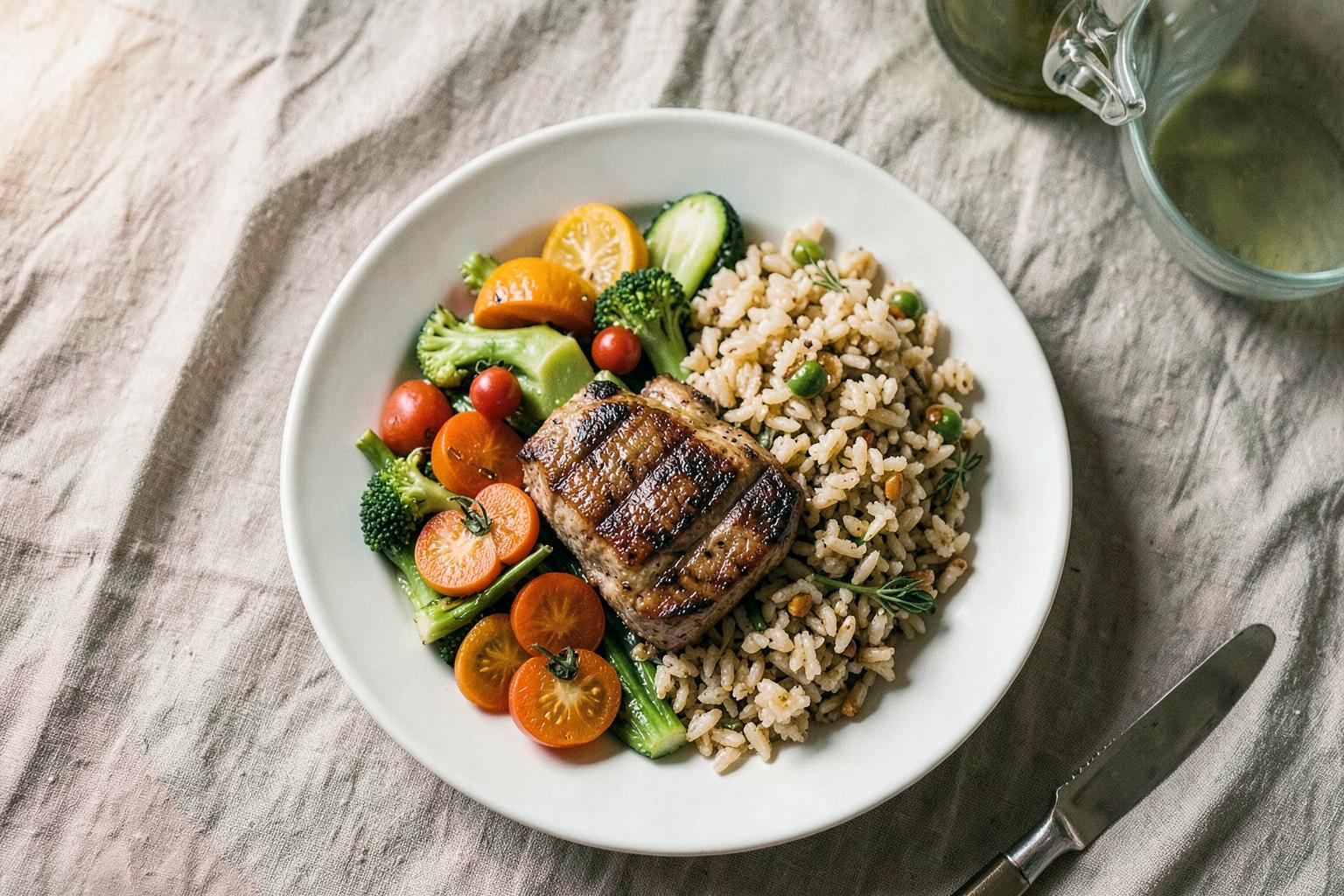
How to Build a Balanced Plate Without Overthinking It
A simple, flexible way to put meals together when nutrition advice feels overwhelming.

Healthy Aging Basics: Feeling Your Best at Every Stage of Life
The foundations of aging well are simpler — and more hopeful — than the marketing suggests.